The Ultimate Airotor Handpiece Selection Checklist for Dentists
- December 7, 2023

Dental handpieces play a critical role in ensuring efficient and comfortable dental treatments. The Airotor handpiece is an innovative handpiece that offers several advantages over traditional handpieces.
Choosing the best airotor handpiece for your dental practice requires careful consideration of various factors.
Understanding the Basics:
Before delving into the specifics of choosing the perfect airotor handpiece, it’s crucial to have a solid understanding of the basics.
So, let’s start with the very basic question: What is an airotor handpiece?
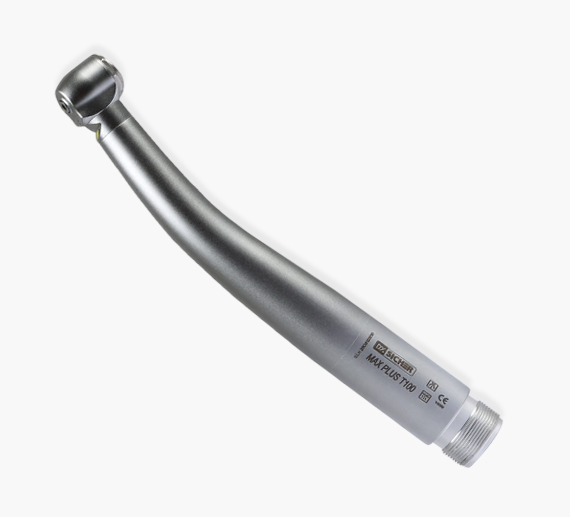
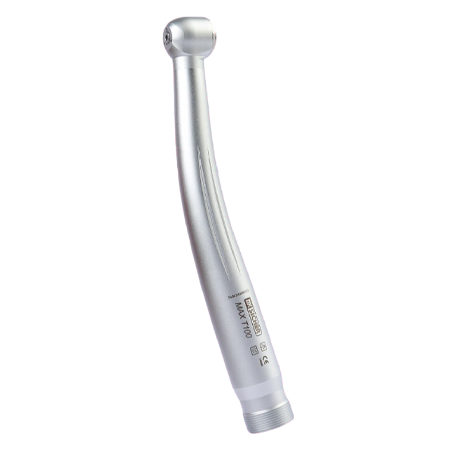
An airotor handpiece is a fundamental tool in dental procedures, driven by compressed air to power a turbine that, in turn, rotates the cutting bur. These handpieces are versatile and widely used for various dental applications, including cavity preparation, crown and bridge work, and more.
Before looking at how to select airotor handpieces, let’s brush up on their types.
Types of Airotor Handpieces:
High Speed Handpieces: Ideal for precise cutting and cavity preparation, high-speed handpieces operate at speeds ranging from 350,000 to 420,000 RPM.
Low Speed Handpieces: Commonly used for polishing and finishing procedures, low-speed handpieces have a lower RPM range and provide better control for delicate tasks.
Fiber Optic Handpieces: Handpieces with Fiber optic illumination enhance visibility by directing light onto the treatment area. This is particularly useful for detailed and intricate procedures.
How to select the best Airotor for Your Practice? : A Quick Guide
When picking an airotor, prioritize patient and personal well-being. Opting for a cheap handpiece might seem cost-effective initially but can lead to patient health issues and more significant repair costs over time.
Here are some other factors to consider:
1. Head Size:
Small Head: Enhances visibility, ideal for posterior regions. Be cautious with long burs as they may stress the turbine.
Larger Head: Offers higher torque and cutting power, reducing tooth preparation time.
2. Head Angulations:
Standard 22.5-degree angle might limit posterior access. Newer designs offer unique angles for better access and patient comfort.
3. Types of Tubing Connection:
– 2 Hole Handpiece:* Standard in India, tends to be louder.
– 4 Hole Handpiece:* Standard in the U.S. and Europe, less noisy, faster bur halt. Can convert a 2-hole with a simple coupler.
4. Bur Retention Mechanism:
– Standard Screw-Type: Separate spindle and chuck.
– Push Button-Type: Single assembly, easy to use and time-saving.
5. Ball Bearing Material: Choose between stainless steel and ceramic. Covered Ceramic is preferred for its hardness, lighter weight, and longer life.
6. Ergonomic Design: Comfort is paramount during dental procedures. Ensure the balance is neutral or slightly towards the handpiece head. Look for a handpiece with ergonomic design, weight balance, and grip that reduces fatigue and enhances control.
7. Water Delivery: Multiport spray is superior to a single water port, providing even water distribution and preventing blockages.
8. Light Source: Instruments with an integrated light source improve visibility for quality treatment.
10. Speed and Power : Different procedures require varying speeds and power. Consider the speed range and torque of the airotor handpiece, ensuring it aligns with your specific clinical needs.
11. Maintenance and Sterilization: Opt for a handpiece that is easy to clean, lubricate, and sterilize. Simple maintenance procedures contribute to the longevity and reliability of the tool.
12. Noise Level: A quieter handpiece contributes to a more pleasant patient experience and a less stressful working environment for dental professionals. Consider the noise level of the handpiece and its impact on the overall clinic atmosphere.
13. Compatibility: Ensure that the airotor handpiece is compatible with your existing dental unit and other equipment. This helps in seamless integration into your practice without additional investments.
Budget Considerations
The most important thing to consider while choosing an airotor handpiece for your practice is nothing but the budget. While it’s tempting to opt for the latest and most advanced model, it’s crucial to align your choice with your budget constraints. Take into consideration the features that are non-negotiable for your practice.
When looking to buy dental air-rotor handpieces at the best price, make sure to find a balance between cost and performance.
Additional tips for choosing an airotor handpiece
Here are a few more tips for picking the right airotor handpiece:
- Check out what other dentists are saying by reading reviews to gather insights and opinions on various models.
- Have a chat with your dental equipment dealer. They might have valuable insights and recommendations based on your specific needs.
- Don’t forget to actually try out different dental handpieces. Find the one that feels just right and comfortable for you.
After sales Service:
When choosing airotor handpieces for your dental practice, it’s vital to think about after-sales service. This support can save you money and keep your equipment working well for a long time.
Sicher Dental offers dedicated support after you purchase our airotor handpiece. Whether it’s a bearing issue, wobbling, or other small parts, Sicher helps you save money by replacing only the necessary parts. This unique approach ensures not only superior performance but also substantial cost savings for our valued customers.
Conclusion :
Selecting the right airotor handpiece is a big deal. It not only affects how smoothly your dental office runs but also how happy your patients are. Think of it like picking the perfect tool for a job – it makes a real difference. So, what should you think about? Well, speed, how comfy it is to use, how easy it is to take care of, how good it is, whether it fits with your other tools, how much it costs, and what kind of service you get after you buy it. If you weigh all these factors, you’ll be able to easily choose the best dental equipment to make sure everyone – including you and your patients – leaves smiling.