Dental burs are essential tools in modern dentistry, used for shaping, cutting, and refining both natural tooth structures and restorative materials. With modern advancements, there are different bur shapes, each designed for specific procedures. Whether it’s cavity preparation, crown adjustments, or finishing work, burs play a key role in achieving accuracy and efficiency in dentistry.
We’ll explore the main types of dental burs by shape and explain when and why each is used. This will help you select the right tool for each procedure with confidence.
Guide to Dental Bur Shapes and Uses
Round Burs

One of the most versatile types, round burs are used for cavity preparation, caries removal, endodontic access, selective grinding, and bone surgery.
Pear-Shaped Burs
Commonly referred to as 330 burs, these burs are slightly elongated with a rounded head. They are primarily used for cavity preparation but are also effective in caries removal and trimming.

Spiral Cool-Cut Burs
These diamond burs feature a left-spiral groove that enhances cooling by directing water flow to the cutting area, enabling fast, efficient grinding with a smooth finish. They are especially useful for longer procedures where maintaining a lower temperature is crucial.
The spiral design also helps in debris removal, ensuring a cleaner working area and better visibility.

Flat-End Tapered Burs
Flat-end tapered burs simplify and enhance the efficiency of crown and bridge preparation. Their shape allows precise margin definition and smooth tapering of tooth surfaces. They’re ideal for creating parallel walls and achieving optimal retention in crown preps.
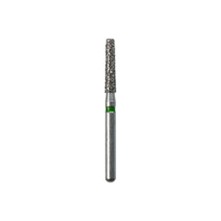
Round-End Tapered Burs
These burs feature a tapered body with a rounded end, making them ideal for crown preparation and creating smooth transitions.The shape helps in contouring axial walls and defining shoulder or chamfer margins with precision.They’re commonly used for full coverage restorations, crown and bridge procedures and veneer preparations.

Football Burs (Egg-Shaped Burs)
Football burs, also known as egg-shaped burs, serve multiple purposes, including preparation, finishing, and trimming. They come in different material compositions:
- Diamond Football Burs: Used for cavity, crown, and bridge preparation.
- Carbide Football Burs: Used for finishing and trimming.
- Gold Football Burs: Used for occlusal reduction and precision preparation.


Torpedo Burs
These burs derive their name from their torpedo-like shape and are specifically designed for cavity preparation. Their narrow, pointed tip allows for precise access to deep or narrow areas without damaging surrounding tooth structure. Torpedo burs are especially useful for refining internal walls and creating smooth margins. They’re a go-to choice when working in tight spaces or during minimally invasive procedures.

Inverted Cone Burs
These burs are mainly used in dental surgery for creating undercuts for restorations or root canals. They are also effective for occlusal surface formation, gingival wall flattening, and caries removal.


Straight Fissure Burs
These burs have parallel cutting edges, making them ideal for creating flat floors and precise parallel walls in cavity preparation. The cross-cut variation enhances cutting efficiency while reducing friction and clogging.


Tapered Fissure Burs
With their tapered heads, these burs are particularly useful for crown removal, multi-rooted tooth sectioning, and crown height reduction. They come in both short and long shanks to accommodate various procedural needs.

Choosing the Right Dental Bur
When selecting a bur, consider:
- The procedure type (restorative, surgical, endodontic, etc.)
- The tooth surface you’re working on
- The bur material (carbide, diamond, gold)
- Your handpiece compatibility
Having the right shape and size ensures smoother work, faster procedures, and better outcomes for your patients.
FAQs
Q: Can I use the same bur shape for all procedures?
A: Not always. Each shape is designed for a specific function. Using the wrong type can cause damage or make the procedure inefficient.
Q: What’s the difference between carbide and diamond burs?
A: Carbide burs are better for cutting metal and composite materials, while diamond burs are ideal for cutting enamel and smooth finishing.
Q: How often should I replace dental burs?
A: Replace them once you notice a drop in cutting efficiency or after the manufacturer’s recommended number of uses. Dull burs can damage the tooth or restoration.
Final Words
Dental burs are essential tools in dentistry, helping dentists perform procedures with accuracy and efficiency. Each of the above-mentioned types of dental burs are designed in specific shapes to meet various clinical needs. It is important to understand them based on shape to select the right tool for each procedure.
Looking for Reliable Dental Burs?
If you’re looking for premium-quality burs with consistent performance, Sicher Dental offers a wide selection of diamond burs suitable for all procedures.
📱 Contact us on WhatsApp to place your order today!