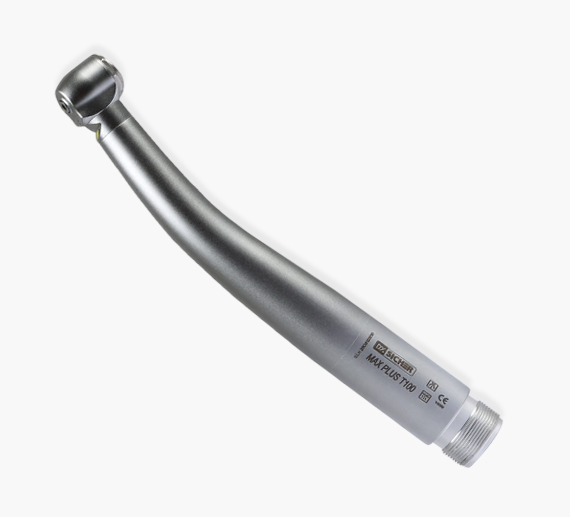
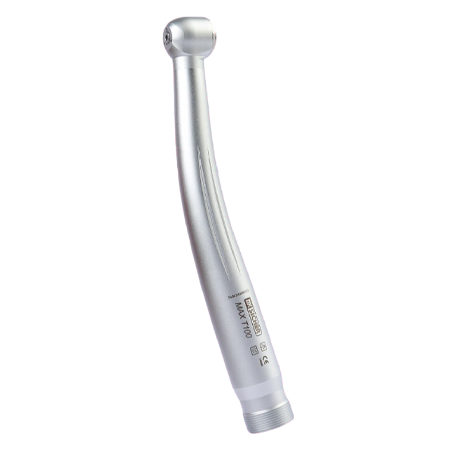
A dental airotor, also known as a high-speed handpiece, is a key instrument in modern dental surgeries, valued for its precision and speed. However, unexpected overheating is a common problem that can hinder performance, decrease lifespan, and even risk patient safety.
Understanding the causes and prevention methods of airotor overheating is essential for every dental professional who seeks reliability and optimal clinic performance.
Why Overheating Matters: Risks to Patient and Practitioner
Overheating dental airotors not only results in costly repairs or early replacement but can also cause burns in patients or practitioners, damage tooth tissue, and impact treatment outcomes. Prevention is far easier—routine care will mitigate the risks significantly.
The Most Common Causes of Airotor Overheating
1. Insufficient Lubrication
Proper lubrication is vital for the smooth operation of high-speed handpieces. Without regular, manufacturer-recommended oiling, friction within the bearings increases, which rapidly raises the internal temperature. Neglecting routine lubrication will not only cause overheating but often leads to premature bearing failure.
2. Improper or Excessive Sterilisation
Autoclaving your dental airotor at temperatures higher than recommended or using an incorrectly calibrated autoclave can damage internal components. Overheating through excessive sterilisation weakens the bearings and seals, which translates directly to operational heat build-up.
3. Continuous High Load Use
Operating the same handpiece for prolonged periods—typically more than 10 minutes—places excessive mechanical strain on the bearings and turbine. This sustained load dramatically increases friction, generating heat and risking burnout.
4. Incorrect Air Pressure
Both excessive and insufficient air pressure can harm your handpiece. If the air pressure exceeds the specifications, it accelerates bearing wear, causing increased friction and heat. Conversely, low air pressure lengthens procedure time, contributing to gradual heat build-up.
5. Debris and Improper Cleaning
Failing to clean dental handpieces thoroughly before sterilisation allows debris to harden inside, which can cause bearing malfunction and overheating. Debris acts as a barrier to proper movement, generating extra heat during operation.
6. Bur-Related Issues
Using bent, worn-out, or non-standard burs increases resistance during operation. This imbalance increases handpiece load, resulting in heat accumulation. Similarly, operating the handpiece without a bur or with the bur incorrectly installed causes the bearings to run off-centre, producing unnecessary friction.
7. Component Wear and Poor Sealing
Worn O-rings, backend gaskets, or damaged chucks can loosen seals, allowing air and water to escape inefficiently. As a result, the cooling and lubrication of internal components is compromised, raising operational temperature.
Suggested: Best practices for using dental burs effectively
Quick Prevention Tips
- ✅Always lubricate as per manufacturer’s instructions.
- ✅Use only the recommended sterilisation settings and cycles.
- ✅Avoid running your handpiece continuously; alternate between devices for longer procedures.
- ✅Monitor air pressure and use the recommended parameters for your device.
- ✅Clean handpieces thoroughly before every sterilisation cycle.
- ✅Check and replace burs and components regularly.
Boost Your Practice With Proactive Maintenance
To keep your airotor operating flawlessly:
- ✅Adhere to a daily maintenance routine of cleaning, lubrication, and inspection.
- ✅Use only genuine replacement parts and recommended burs.
- ✅Obtain technical assistance whenever problems first occur.
Taking good care of your dental handpieces is an investment in patient safety, equipment longevity, and your clinic’s reputation.
Invest in Quality: Explore Sicher Airotor Handpieces
For dental professionals seeking consistent performance, durability, and outstanding after-sales support, Sicher Dental’s range of airotor handpieces stands out.
Our airotors are built with high-quality bearings, durable seals, and are easy to maintain, minimising the most common causes of overheating. Reliable performance, expert support, and advanced engineering help prevent operational failures in your dental practice.
Ready to upgrade your handpiece experience? Visit the Sicher Dentals to explore models, get technical assistance, and ensure that overheating is a thing of the past. Related: Maintenance hacks for dental handpieces during busy clinic hours