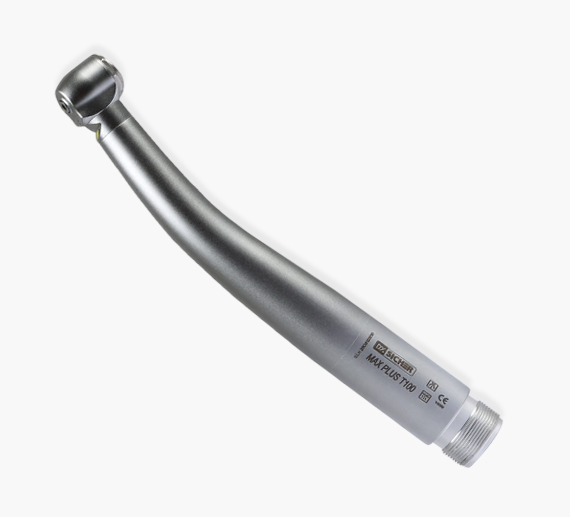
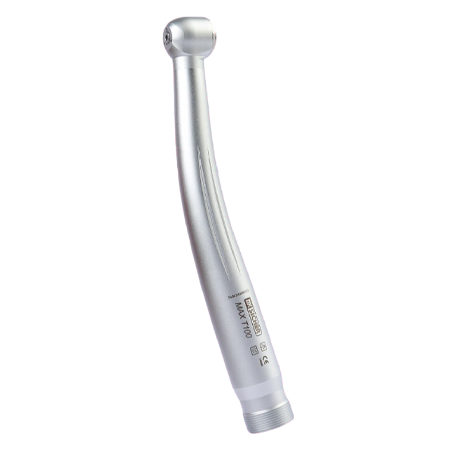
Dental airotors are a staple in almost every clinic. From prepping cavities to adjusting crowns, they’re used every day. But despite being such a familiar tool, there’s still confusion around how they work and how to care for them properly.
At Sicher Dental, we work closely with dentists, so we hear a lot of the same questions and quite a few myths. This blog clears up the most common myths about dental airotors, based on both technical know-how and what dental professionals experience day to day.
Let’s clear up the confusion.
Myth 1: “All airotors work the same.”
Truth:
Not true. While they might look alike, the difference in performance is huge.
Some airotors wear out fast, stall during cutting, or cause hand fatigue. Others feel smooth, respond well, and last longer. The materials, bearings, balance, and internal design all matter.
Dentists who switch from generic tools often say, “I didn’t realize how much easier it could be until I used a well-designed one.”
In short, you should look for airotors with strong torque, good speed control, and a comfortable grip.
Myth 2: “Faster always means better.”
Truth:
Speed without power is useless.
If your airotor spins fast but stalls the moment you touch enamel, it’s probably lacking torque. That’s when overheating, hand strain, and poor results kick in. The right tool balances both speed and torque to cut efficiently, and to keep going under pressure.
Myth 3: “You don’t need to clean it after every use.”
Truth:
Skipping maintenance will cost you more later.
Airotors go through a lot — water, debris, heat, pressure. If you don’t clean and oil them after each use, you’re looking at:
- ✅Clogged parts
- ✅Loss of performance
- ✅Risk of cross-infection
Basic care like flushing, oiling, and sterilizing takes just a few minutes. It saves money and prevents tool failure in the middle of a procedure.
Myth 4: “Sterilizing isn’t needed between uses on the same patient.”
Truth:
Even if you’re working on the same person, sterilization is still a must.
Why? Because aerosols and blood particles can stay inside the handpiece. If you re-use it without sterilizing, you’re risking contamination.
That’s why it’s a standard practice to autoclave between every use, even with the same patient.
It’s about keeping your clinic and patients safe.
Myth 5: “All airotors are loud.”
Truth:
Not anymore.Older models were noisy, but newer airotors are designed to run quieter.
With the right bearings and airflow systems, the noise drops noticeably.
Clinics that switch to quieter handpieces often get comments from patients like, “It didn’t sound scary like usual.”
That makes a big difference, especially with kids and nervous patients.
Myth 6: “Buying cheaper models saves money.”
Truth:
It might seem cheaper at first, but over time, it adds up.
Low-cost airotors tend to:
- ✅Break more often
- ✅Cut less efficiently
- ✅Need constant replacement
Many dentists end up spending more on repairs or buying multiple backups. A solid, durable airotor might cost more upfront but works better and lasts longer.
If you’ve ever had your handpiece stop mid-procedure, you know it’s not worth the hassle.
Myth 7: “Lubrication is optional.”
Truth:
This is one of the fastest ways to damage a handpiece
Oiling isn’t just extra care — it’s essential. Before autoclaving, always oil your airotor. It:
- ✅Keeps bearings from wearing out
- ✅Reduces friction
- ✅Helps it run smoother
Missing this step even a few times can shorten the life of your tool.
Final Words
Taking care of your dental airotors, and choosing the right one, makes every procedure smoother and every patient more comfortable.
If you’re not happy with how your current airotor performs, it might be time to look into better-built options that can handle the demands of daily practice.
If you’re looking for high-quality airotors that deliver smooth performance, long-term durability, and real value for your clinic — Sicher Dental’s airotors are a good choice you can rely on