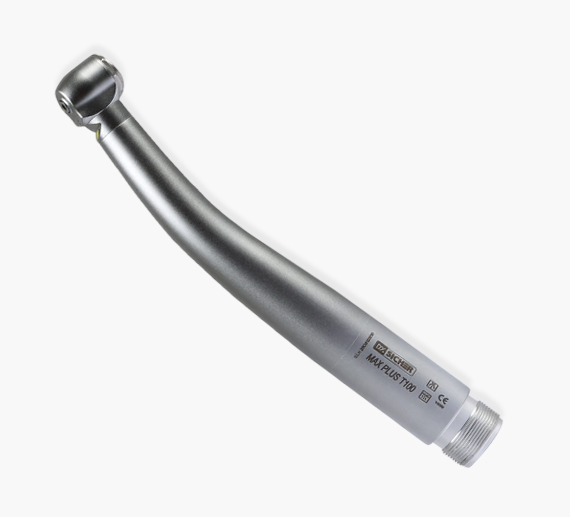
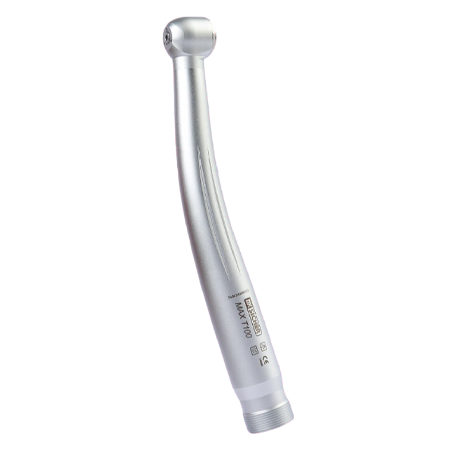
Cross-contamination prevention is very important in any dental practice to protect both patients and staff from infectious diseases. According to studies, nearly 60% of contamination incidents in dental practices occur because of inadequate sterilization processes. Proper handpiece handling plays a key role in infection control.
Here are some simple and effective steps to ensure safe and effective dental handpiece management:
1. Use a Sterile Handpiece for Each Patient
Reusing a handpiece without sterilization can put patients at serious risk. Even after surface cleaning, bacteria and viruses can remain deep inside the handpiece. High-speed handpieces, in particular, can be contaminated during treatments, spreading harmful microbes.
Always use a fully sterilized handpiece for every patient. It’s one of the most effective ways to ensure infection control and build trust with patients.
2. Follow the Complete Sterilization Process
A quick wipe-down won’t cut it when it comes to sterilization. Handpieces must go through a complete sterilization cycle after every use.
Here’s a step-by-step protocol:
- Clean and disinfect the exterior of the handpiece.
- Remove visible debris and flush internal components.
- Follow the manufacturer’s sterilization guidelines for autoclaving.
By adhering to this process, you can ensure that all surfaces—both internal and external—are fully decontaminated.
3. Avoid Surface Disinfection Alone
Let’s be clear—surface disinfection is not enough. Simply wiping a handpiece with a disinfectant cloth doesn’t eliminate microbes deep inside the device.
To maintain proper hygiene:
- Always sterilize handpieces in an autoclave.
- Treat every handpiece as potentially contaminated.
Think of surface cleaning as a bonus step, not the main solution. A thorough sterilization protocol remains non-negotiable.
4. Use Single-Use Barriers for Extra Protection
In addition to sterilization, consider using single-use barriers like disposable covers for parts that are hard to sterilize.
While barriers provide an extra layer of safety, they don’t replace proper autoclaving. Think of them as backup protection to reduce contact with contaminated surfaces during treatments.
5. Train Your Team with Clear Handling Protocols
Even the best sterilization equipment won’t help if your team isn’t following protocols. Regular training ensures everyone understands the importance of avoiding cross-contamination.
Establish a clear process for:
- Handpiece sterilization steps.
- Safe storage after sterilization.
- Proper handling during treatments.
A well-trained team reduces lapses that could expose patients to unnecessary risks.
A Bonus from Sicher You Can’t Miss!
Train your team with our FREE online handpiece maintenance sessions, accessible across India. WhatsApp us today to secure your appointment!
6. Store Handpieces Safely After Sterilization
Improper storage can undo all your sterilization efforts. Handpieces should remain sterile until needed for the next patient.
Follow these tips for proper storage:
- Store sterilized handpieces in a clean, enclosed area.
- Use trays, sterile pouches, or designated cabinets to avoid contamination.
- Avoid touching sterilized handpieces with bare hands.
Think of your sterilized handpiece like a clean surgical instrument—it should be handled with care until it’s ready for use.
7. Regularly Inspect and Maintain Your Handpieces
A malfunctioning handpiece is more than an inconvenience; it can lead to contamination issues. Fluid leaks, improper lubrication, or wear and tear can compromise sterilization.
Schedule regular maintenance to:
- Check for leaks or blockages.
- Lubricate moving parts.
- Replace worn-out components.
Well-maintained handpieces not only last longer but also reduce contamination risks. Routine inspections ensure they’re working properly and ready for safe use.
Why Proper Handpiece Handling Matters
Cross-contamination isn’t just about meeting hygiene standards; it’s about patient safety and trust. Dental practices that prioritize sterilization and proper handpiece handling reduce the risk of infections and maintain their reputation for high-quality care.
A single contamination incident can harm patients and staff, damage your clinic’s credibility, and even result in legal consequences. Taking a proactive approach ensures your practice remains a safe space for everyone.
Final Thoughts: Take Action Today
Preventing cross-contamination starts with small, consistent steps:
- Always sterilize handpieces.
- Train your team regularly.
- Inspect and store your equipment properly.
Keeping patients safe is a responsibility every dental professional shares. Take a moment to evaluate your current protocols—are there gaps you need to address? A clean and safe dental environment begins with you.
Looking to upgrade your dental equipment? Explore our durable and high-performance airotor handpieces. Choose reliable tools that will support your clinic for years!