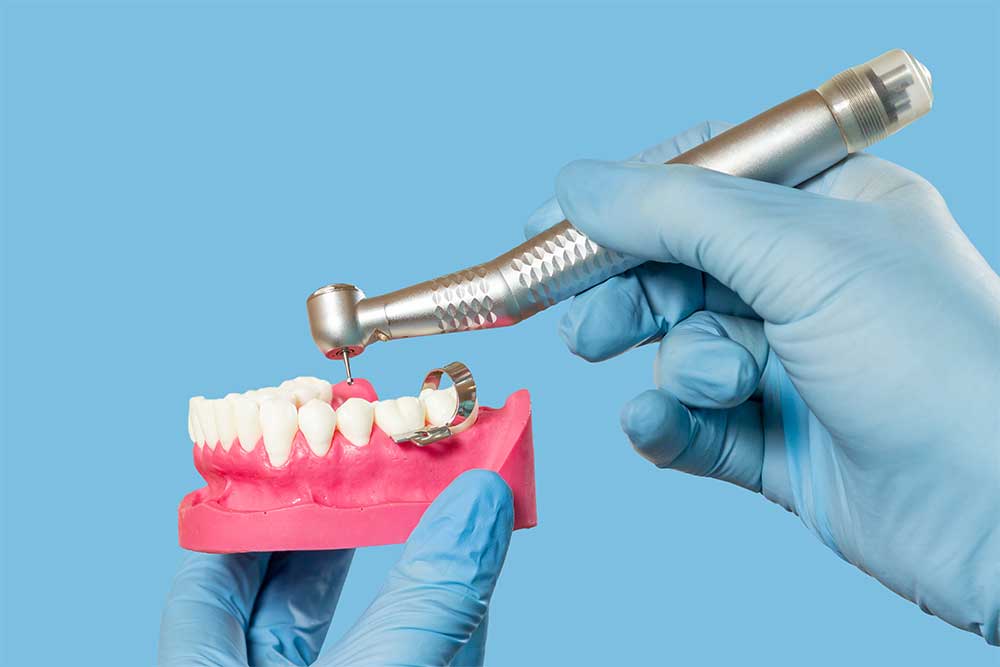
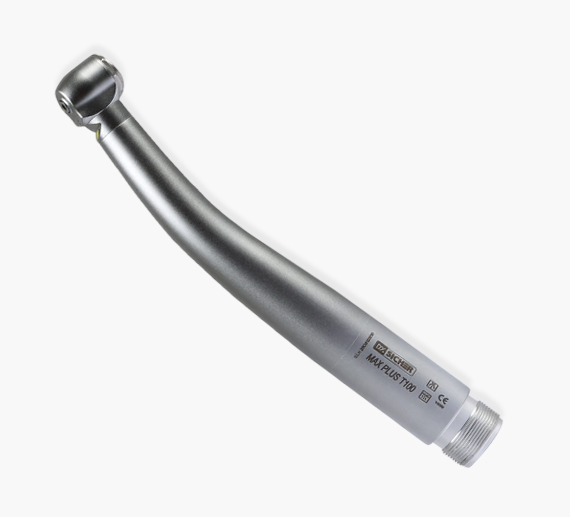
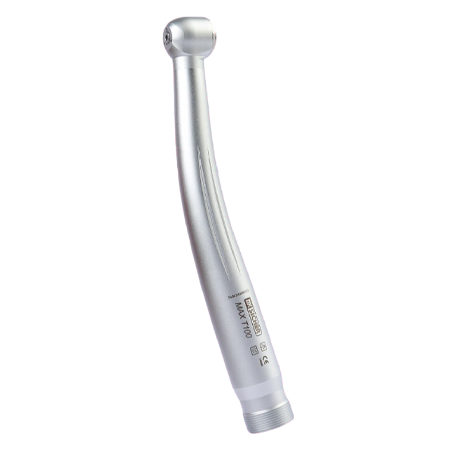
In the world of dental procedures, the selection of the appropriate handpiece is often overlooked. Imagine trying to hammer a nail with a wrench; it is indeed inefficient and potentially damaging, isn’t it? Similarly, using the wrong dental handpiece in dentistry can lead to compromised performance, wear, and even risks to patient safety.
Why is it important to match handpieces to tasks?
Matching handpieces to specific dental procedures is crucial for achieving optimal precision, efficiency, and patient comfort outcomes. Each dental task demands unique features and functionalities from a handpiece to ensure effective performance.
By utilizing the appropriate handpiece for each task, dentists can enhance their ability to conduct procedures accurately, improving patient satisfaction. Moreover, aligning handpieces with tasks helps minimize the likelihood of errors during procedures, reduces treatment durations, and prolongs the lifespan of dental equipment.
How to match dental handpieces to tasks?
Choosing the right dental handpieces perfect for each task requires careful thinking and expertise. Here are some steps to ensure they match up well:
- Identify Task Requirements: Understand the specific requirements of the dental procedure or task at hand. Consider factors like speed, torque, and maneuverability needed for optimal performance.
- Assess Handpiece Features: Evaluate the features and capabilities of available dental handpieces. Different handpieces may offer varying speeds, attachments, and ergonomic designs suited for specific tasks.
- Consult Manufacturer Guidelines: Refer to the manufacturer’s guidelines and recommendations for matching handpieces to tasks. Manufacturers often provide detailed specifications and usage instructions to help dental professionals make informed decisions.
- Consider Patient Comfort: When selecting dental handpieces, factor in patient comfort and safety. Choose dental handpieces with ergonomic designs and vibration-reducing features to minimize patient discomfort during procedures.
- Seek Expert Advice: Consult with experienced dental professionals or equipment specialists for guidance on matching handpieces to tasks. They provide insights and recommendations based on their expertise and practical experience.
- Test Compatibility: Whenever possible, test the compatibility of dental handpieces with specific tasks before use. Conducting trial runs or simulations allows dental professionals to assess performance and ensure optimal functionality.
- Super Torque-Style Handpieces for Heavy Cutting: When dealing with substantial material removal tasks, such as crown preparations or extensive decay removal, opting for super torque-style handpieces is imperative. These handpieces are designed to deliver higher power and torque, allowing for efficient cutting through tough materials. Attempting heavy cutting tasks with a standard handpiece strains the equipment and unnecessarily prolongs the procedure.
- Smaller Heads for Lighter Applications: Conversely, smaller heads are ideal for more delicate procedures like polishing or finishing. These handpieces offer better maneuverability and control, ensuring precise and gentle treatment. Trying to perform delicate tasks with bulky, heavy-duty handpieces risks causing inadvertent damage or discomfort to the patient.
- Avoiding Excessive Bur Extension: Proper bur placement is essential for safe and effective operation regardless of handpiece type. Extending the bur excessively not only compromises the instrument’s stability but also increases the risk of it dislodging during use. This can lead to injuries to the patient or operator, as well as damage to surrounding tissues or dental restorations.
Conclusion
The significance of selecting the right handpiece for dental procedures cannot be overstated. Just as a skilled artisan selects the perfect tool for each task, dental professionals must exercise similar precision in choosing their handpieces. By matching the tool to the task, practitioners ensure optimal performance, longevity of equipment, and above all, the safety and satisfaction of their patients.
So, the next time you reach for a handpiece, remember these tips.