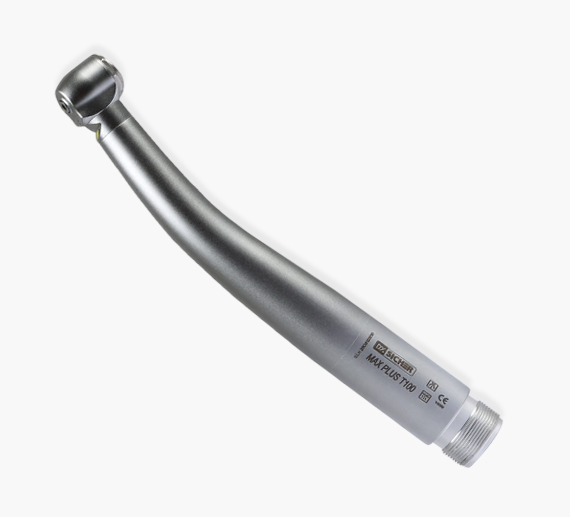
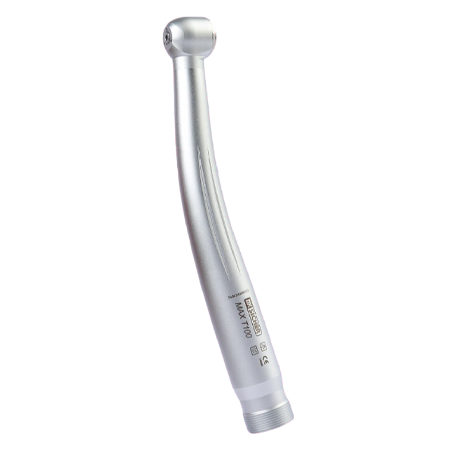
In the world of dentistry, maintaining a sterile environment is paramount. This commitment to infection control starts with one of your most essential tools – the dental handpiece.
Sterilization of dental handpieces is of utmost importance in maintaining a safe and hygienic dental environment. These precision instruments come into direct contact with patients’ mouths, making them susceptible to contamination by bacteria and pathogens. Without proper dental handpiece maintenance, the risk of cross-contamination between patients significantly increases, potentially leading to the spread of infections.
In addition to the critical aspect of patient safety, sterilization also plays a pivotal role in preserving the longevity and performance of dental handpieces. Regular dental handpiece maintenance helps prevent the buildup of debris and contaminants within the handpiece, ensuring that it functions optimally for accurate and efficient dental procedures.
Now, let’s take a look at the best practices for dental handpiece maintenance:
✅ Post-Procedure Cleaning and Lubrication
After every patient visit, post-procedure cleaning and lubrication become non-negotiable steps in maintaining the sterility and functionality of your dental handpiece.
✅ Cleaning the Interior: Start by running the airotor for about 45 seconds after each procedure. This flushes out any debris from the internal components, a critical step in preventing contamination and preserving performance.
✅ Exterior Cleaning: For the exterior, take a paper towel moistened with warm water. Gently wipe down the handpiece’s exterior to eliminate any visible contaminants. Be cautious about using disinfectants or alcohol-based wipes, as they can harm the handpiece.
✅ Lubrication: Proper lubrication is key to reducing friction, heat, and wear on the internal components. Utilize a high-quality handpiece lubricant recommended by the manufacturer. A few drops applied to the air inlet, following the manufacturer’s guidelines, is the way to go.
The Right Way to Sterilize Your Airotor Handpiece
Sterilization is the ultimate step in ensuring your handpiece remains in a sterile condition. Here’s how to do it right:
1. Place the handpiece in a sterilization pouch or wrap it in sterilization wrap, ensuring it’s securely packaged to avoid contamination during the sterilization process.
2. Autoclave the handpiece as per the manufacturer’s sterilization guidelines. Proper sterilization forms the foundation of a sterile environment in your dental practice.
Additional Tips for Enhancing Airotor Handpiece Performance
After oiling the handpiece, remember to keep the airotor head facing down for approximately 10 minutes. Subsequently, briefly operate the handpiece with the dental chair to remove any remaining oil. This step is critical to prevent the presence of oil or debris when you use the handpiece the next day.
It’s important to highlight that neglecting the oiling and cleaning steps may result in the appearance of black residue from the airotor head, which could compromise both sterility and handpiece performance.
Good dental handpiece care isn’t just about safeguarding dental professionals and patients; it’s also about extending the longevity and performance of these invaluable tools. By consistently adhering to best practices in dental handpiece maintenance like cleaning, lubrication, sterilization, can ensure a sterile and efficient instrument. This commitment to excellence guarantees the highest level of care in a safe and hygienic dental setting.