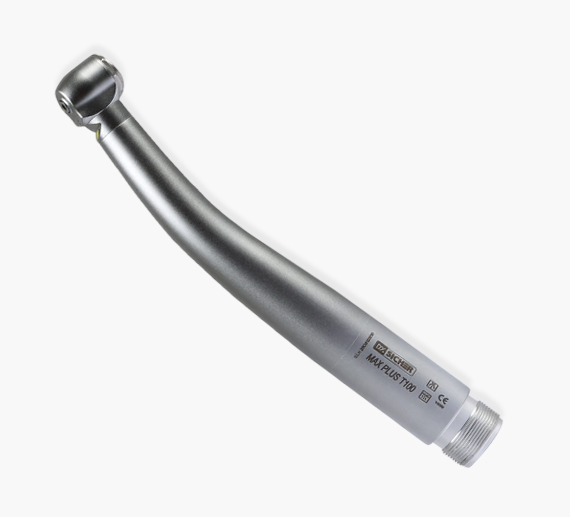
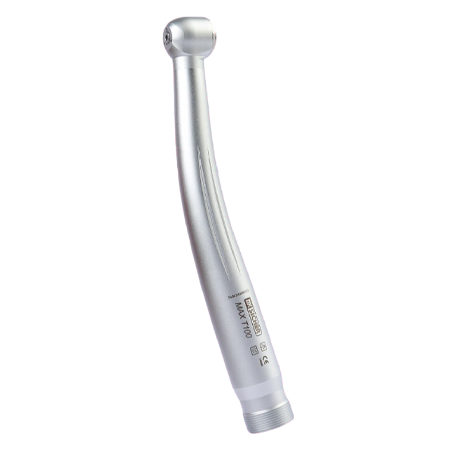
Dental Airotor handpieces are essential tools in any dental practice, but various factors can compromise their longevity and performance. So, it is important to recognize and address the common causes of dental handpiece failure.
Let’s see the main causes of dental airotor handpiece failures:
1. Lack of Lubrication: A Silent Culprit
Proper lubrication is essential for the smooth operation of dental airotor handpieces. Insufficient or improper lubrication can result in increased friction, leading to excessive wear on bearings. Regularly applying the recommended amount of oil to the handpiece’s driveline is a simple yet effective measure to prevent premature failure.
2. Accidental Drops: Impact on Performance
Dropping a dental handpiece, even from a relatively low height, can be dangerous. The head may become dented, exerting pressure on O-rings, Spindle, and both bearings. Severe dents can lead to the squeezing of bearings, contributing to premature failure. Make sure to handle handpieces with care to avoid accidental drops and potential damage.
3. Sterilization Challenges: The Impact on Bearings
Improper sterilization practices pose a significant threat to handpiece longevity. Excessive heat from over-sterilization or incorrectly calibrated autoclaves can cause bearing failures. It is crucial to follow recommended sterilization procedures and ensure the correct temperature calibration to protect the integrity of the handpiece’s internal components.
4. Bur-Related Issues: A Bent Bur Spells Trouble
Using a bent bur or operating the handpiece without a bur can lead to concentricity issues. The bearings may run out of balance, similar to a tire being out of balance. This will ultimately result in premature failure. It is recommended to inspect and replace burs to maintain proper functionality regularly.
5. Inappropriate Handpiece Selection: Matching the Tool to the Task
Selecting the wrong handpiece for a specific task can lead to wear and compromise performance. Use super torque-style handpieces for heavy cutting and smaller heads for lighter applications. Avoid extending the bur excessively, as this increases the risk of it walking out of the handpiece during use.
6. Debris and Sterilization: Protecting the Bearings
If you leave any debris in the handpiece before sterilizing it, it can get hard or sticky during the process. This might make the bearings not work properly. So, make sure to clean out all the dirt from the handpiece before sterilizing it to keep the bearings working well and prevent them from breaking too soon.
7. Proper Sealing: Backend Gaskets and O-rings
Make sure that dental Airotor handpieces with a backend gasket and swivel styles with flexible O-rings. A tight seal stops air or water from going the wrong way, which keeps the handpiece working well.
Understanding the major causes of dental Airotor handpiece failures is the first step in their prevention. By adopting proper care practices, including regular lubrication, careful handling, adherence to sterilization guidelines, and appropriate bur usage, dental professionals can significantly extend the life and reliability of their handpieces.
Taking these preventative measures ensures a smooth and efficient dental practice, benefiting both practitioners and patients alike.
If you have any concerns about dental airotor handpiece issues or questions about lubrication, cleaning, or sterilization, feel free to contact us. Our technical team is here to offer free assistance to your team.